Peptide research often moves beyond studying peptides as a broad group. Scientists also examine individual peptide molecules in detail to understand their structure, chemical properties, biological interactions, and behavior under different experimental conditions. This detailed examination is sometimes described as developing a peptide profile.
What Is a Peptide Profile?
A peptide profile can include information about a molecule’s amino-acid sequence, molecular characteristics, structural properties, stability, and interactions with other molecules. Researchers use multiple analytical approaches to build a clearer picture of the peptide being investigated.
The sequence is particularly important because the order of amino acids can influence how a peptide folds and how it interacts with biological targets. Researchers therefore compare structural and experimental information when characterizing individual molecules.
Characterizing Peptide Structure
Scientists may investigate the physical and chemical characteristics of a peptide using laboratory techniques designed to identify and characterize molecules. These studies can provide information about molecular mass, composition, purity, and structural features.
Structural characterization is important because two peptides can have related sequences while displaying different molecular behaviors. Understanding these differences helps researchers interpret experimental findings more accurately.
Investigating Biological Interactions
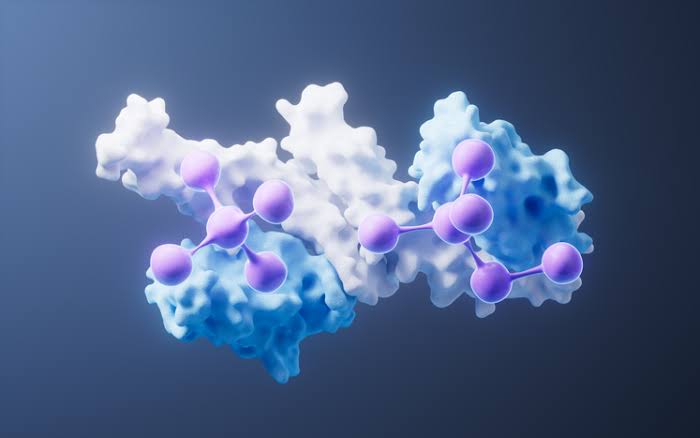
Another part of peptide profiling involves examining interactions with biological molecules. Researchers may study whether a peptide interacts with particular proteins, receptors, membranes, or other molecular targets.
These experiments can help scientists investigate mechanisms of molecular recognition and signaling. Results are typically considered alongside additional experiments rather than being treated as definitive evidence from a single test.
Stability and Experimental Conditions
Researchers also examine how individual peptides behave under different laboratory conditions. Temperature, chemical environment, formulation, and molecular structure can all influence experimental observations.
Understanding stability is particularly useful when interpreting research results because changes in a peptide over time may affect measurements and experimental outcomes.
The Role of Modern Technology
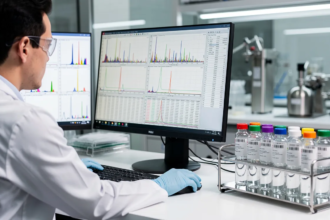
Mass spectrometry, chromatography, spectroscopy, computational modeling, and other analytical technologies have expanded researchers’ ability to characterize peptides. Combining several techniques can provide a more complete profile than relying on a single analytical method.
As these technologies continue to improve, researchers can investigate increasingly complex peptide structures and interactions.
Why Peptide Profiles Matter
Detailed peptide characterization helps establish a stronger scientific foundation for research. By understanding exactly what molecule is being studied and how it behaves under controlled conditions, researchers can produce more reliable experimental data and identify questions for future investigation.
A peptide profile is therefore not simply a description of a molecule—it is part of the broader process of understanding its chemistry, structure, and biological context.
Research note: Laboratory characterization does not by itself establish that a peptide is safe, effective, or appropriate for a particular medical application. Such conclusions require evidence appropriate to the specific research question.