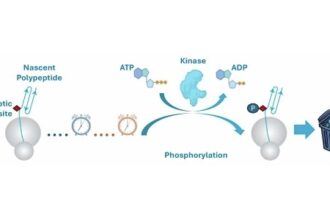
The peptide field is entering an important period of change. Research is expanding beyond traditional peptide applications, while pharmaceutical companies and research organizations are investing in new molecules, delivery technologies, manufacturing capacity, and computational approaches.
One of the strongest trends is the expansion of multi-target peptide research. Researchers are investigating molecules that interact with more than one biological pathway, particularly in metabolic and related research. This has increased interest in understanding how different receptor pathways can be studied together.
AI and Computational Peptide Discovery
Artificial intelligence is also becoming increasingly important in peptide research. Computational models can help researchers analyze large collections of peptide sequences and investigate relationships between molecular structure and biological activity. These approaches are being combined with laboratory experiments rather than replacing experimental validation.
Growth of Peptide Manufacturing
The commercial research environment is changing as well. Pharmaceutical companies and contract development and manufacturing organizations are expanding peptide production capabilities, partly because of growing demand for peptide-based medicines and continued investment in metabolic-disease research.
Regulatory Attention
Regulation is another major industry trend in 2026. U.S. regulators are examining questions surrounding certain peptide products and compounding, while concerns about evidence, quality, oversight, and safety remain important parts of the discussion.
This regulatory environment is encouraging greater attention to quality control, traceability, research documentation, and evidence standards across the broader peptide sector.
New Areas of Scientific Interest
Researchers are also exploring areas such as mitochondrial-derived peptides, advanced peptide chemistry, oral delivery technologies, and new approaches to peptide discovery. These areas demonstrate how peptide science is becoming increasingly connected with computational biology, pharmaceutical development, and advanced manufacturing.
Looking Ahead
The direction of the peptide industry will likely depend on several factors: the results of ongoing research, regulatory decisions, manufacturing capacity, technological improvements, and the quality of clinical evidence.
For readers following the field, it is important to separate peer-reviewed research and verified regulatory developments from marketing claims or social-media trends. The growing attention around peptides makes reliable scientific information more important than ever. Nature has also noted that public enthusiasm around peptides has moved faster than the underlying evidence for some emerging applications.
This article is for educational and research-information purposes and should not be interpreted as medical advice.